Author: Genesis Automation

  • A Practical Local Search Guide for Alabama Service Businesses

    A Practical Local Search Guide for Alabama Service Businesses

    Alabama · Planning guide

    A Practical Local Search Guide for Alabama Service Businesses

    Discover how local service providers in Alabama can get found in every town they serve. This practical guide covers local search habits, essentials for location and service-area pages, blog support strategies, and what to prepare before starting.
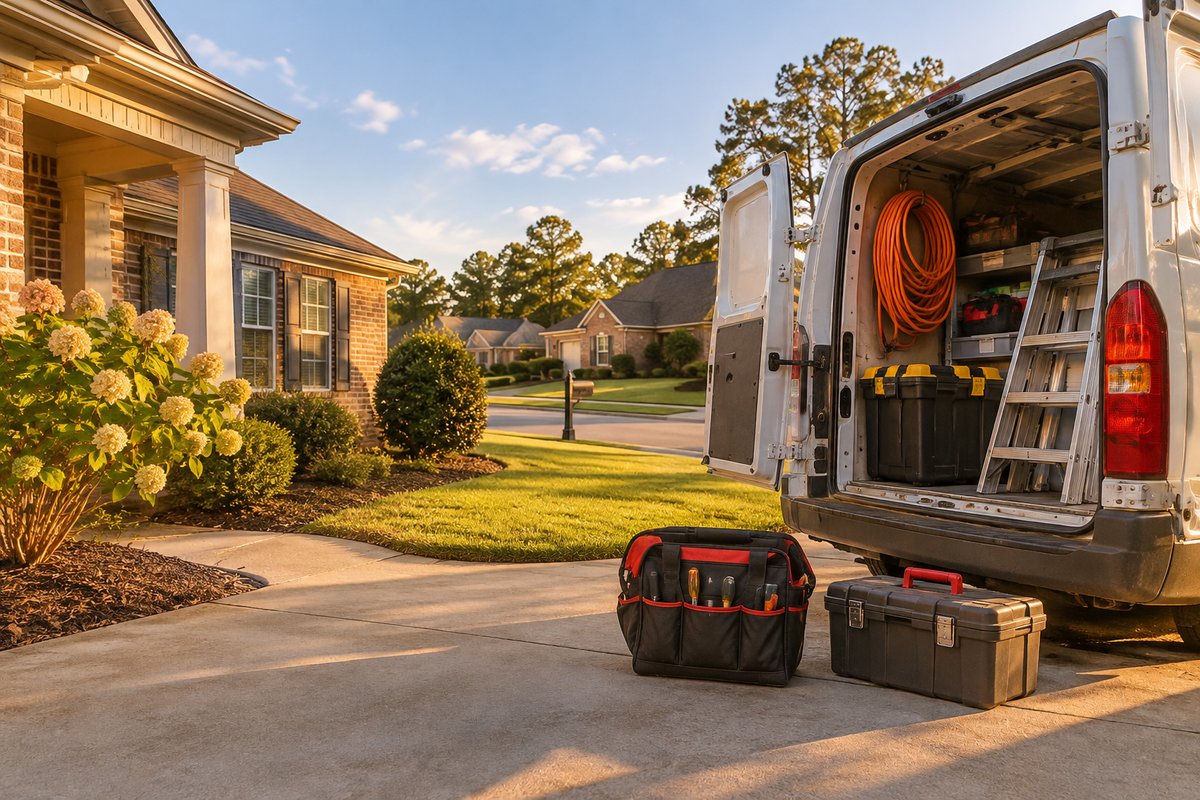
    A Practical Local Search Guide for Alabama Service Businesses (illustrative concept)
    Illustrative AI image, not a photo of a client.

    How Alabama Customers Search for Local Services

    If you run a service business in Alabama—whether you’re a contractor, home service pro, auto shop owner, dentist, salon, restaurant, or anything in between—your customers are looking for you online, usually starting with Google. Most people in Alabama search for a specific service along with the town or area where they need it. For example, someone from Tuscaloosa might search, “plumber near me” or “Tuscaloosa HVAC repair.” Showing up for those searches in your service area can make all the difference in steady calls and bookings.

    Consumers often choose businesses with clear, trustworthy local information. They check business details, read location-specific pages, and look for proof that you serve their town. Many will continue searching until they find someone who clearly names their area and shows they’re established in Alabama. This is true for both small towns and large cities all over the state.

    To connect with these customers, your website should have easy-to-find, accurate information on every area you serve. That’s where location pages, service-area pages, and supporting blog content come in.

    What Is a Location Page (and Why Does It Matter)?

    A location page is a focused page on your website dedicated to a single city, town, or region where you offer services. For example, if you’re a Birmingham-based contractor who also works in Hoover and Vestavia Hills, each area should have its own location page. These pages let you address local questions, mention relevant neighborhoods or landmarks, and show up in search engines when people are looking for services in those exact places.

    Location pages should always be accurate and fact-checked. Double-check service lists, local details, and make sure your business registrations are in order—whether you formed your company with the Alabama Secretary of State or filed your name with your local office. For trade businesses, confirming you meet licensing requirements is another key detail—such as checking with the Alabama Licensing Board for General Contractors.

    For Alabama businesses targeting several towns or counties, well-crafted location pages help search engines understand where you work and guide local customers straight to the information and services they need.

    What Is a Service-Area Page?

    While a location page targets one town, a service-area page covers a broader region where you travel or work—like a group of counties, or the Greater Birmingham area. Service-area pages summarize your reach and provide a list of specific towns you serve. This helps customers in smaller or nearby towns confirm that you’ll come to them, even if you don’t have a physical presence there.

    These pages are also useful for organizing your location strategy. For service businesses across Alabama, a service-area page can link out to all your location pages, keeping your site clear and easy to navigate for both people and search engines. Customers appreciate a simple list of covered towns and counties, which saves them from having to ask if you serve their area.

    As you plan your site, consider which towns deserve dedicated location pages (places where you regularly get business or want to grow) and which fit best under a broader service-area page.

    How Blogs Support Location and Service-Area Pages

    Each location or service-area page is even more valuable when supported by regular, locally relevant blog posts. On your website, a blog lets you answer real questions, spotlight service updates, or showcase projects and tips tied to Alabama seasons and communities.

    For example, a pest control company might publish tips specific to local pests in Montgomery, while an electrician could post about storm preparation in coastal towns. These topics add up to a pattern of local expertise; they also give you natural reasons to update your site and keep customers returning for useful information.

    Every location page that PageEngines builds comes with a set of three blog posts, released one a week. This approach builds trust and improves your visibility in search engines, all while offering more value to your community throughout the month.

    What to Prepare Before Building Pages and Posts

    Getting your local SEO content right the first time saves time and smooths the process. Consider these essentials before you start, so your Alabama service business is ready for strong, fact-checked location pages and blog posts:

    • Full list of services: Prepare a clear, written summary of all the services you offer (for example, drain cleaning, AC installation, termite treatments, or hair coloring). Be sure the list matches what is on your business registration and, if required, your trade license.
    • Targeted list of towns/areas: Know exactly which towns, cities, or counties you want to target. Prioritize areas where you already get business or have growth goals. Organize them by most important—these will become your location pages.
    • High-quality business photos: Assemble clear photos of your work, your crew, your equipment, or your storefront. Pictures taken from jobs and the communities you serve (with permission) add credibility.
    • Licenses and business filings: Make sure you can provide current trade licenses (if required) or state/local registrations. The Alabama Licensing Board for General Contractors and Alabama Secretary of State both offer online lookup tools.
    • Tax registration: Most businesses need to register for sales or business taxes. You can learn about this at the Alabama Department of Revenue.

    These materials help PageEngines—and any service provider—deliver pages and posts that are ready to be fact-checked and approved before they go live on your site.

    Local Search Tips Specifically for Alabama

    Because Alabama covers a lot of ground, with rural towns and bustling metro areas, online local search patterns and expectations can shift from place to place. For smaller towns, customers may look for signals that you truly serve their area, not just big cities. Including nearby communities and recognizable landmarks in your content makes a difference.

    Licensing expectations also vary in Alabama: some trades are licensed statewide, while others may have local or county requirements. Always check with the appropriate board, such as the Alabama Licensing Board for General Contractors, before listing services tied to specific state or local rules.

    State resources, like the Alabama SBDC Network, offer free one-on-one guidance for small business owners, making them a valuable option if you want help planning your business or marketing strategy. The Business Council of Alabama also connects service businesses and advocates for employers across the state.

    Local resources for Alabama business owners:

    How PageEngines Supports Alabama Service Businesses

    PageEngines specializes in building location pages, blogs, video content, and social media posts that help local businesses get found on Google in every town they serve. Each piece is thoroughly fact-checked and approved by you before it’s published. Businesses can select from packages (five or ten location pages per month, each with three blogs released one a week, plus options for custom and unlimited plans). For solutions, browse the full suite of local SEO services.

    As you grow your coverage, you can add service areas or individual towns at your own pace. Review current pricing, and when you’re ready, you can sign up online. PageEngines serves Alabama businesses remotely, making it possible to reach every community in the state without needing a physical office.

    Clients can access their content anytime through the convenient client login portal.

    FAQ: Local Pages and SEO for Alabama Service Businesses

    What’s the difference between a location page and a service-area page?

    A location page targets a single town or region, with details specific to that area, while a service-area page names and groups all the towns, cities, or counties where you offer services. Many service businesses use both types, depending on how many places they cover.

    What info should I collect before starting my location pages and blog posts?

    Prepare a list of all services offered, a targeted group of towns and counties, up-to-date business photos, copies of required licenses, and confirmation of your business entity or name registration. For Alabama, check state-specific requirements through the links above.

    How can I make my location pages trustworthy for Alabama residents?

    Be clear about which towns and neighborhoods you serve, use local references whenever possible, include up-to-date proof of licensing and business registration, and supply authentic, high-quality photos of your team, projects, or storefront.

    Start Reaching More Towns: See Plans and Sign Up

    If you’re ready to build local visibility and connect with more customers throughout Alabama, you can view service options and get started online.
    Related services

    PageEngines services in this guide

    PAGEENGINES · Alabama guide
  • A Local Search Guide for Texas Service Business Owners

    A Local Search Guide for Texas Service Business Owners

    Texas · Planning guide

    A Local Search Guide for Texas Service Business Owners

    Learn how Texas service business owners can make the most of local SEO. This guide explains how customers search for local services, how location and service-area pages work, how blogs fit in, and what to have ready before you start.

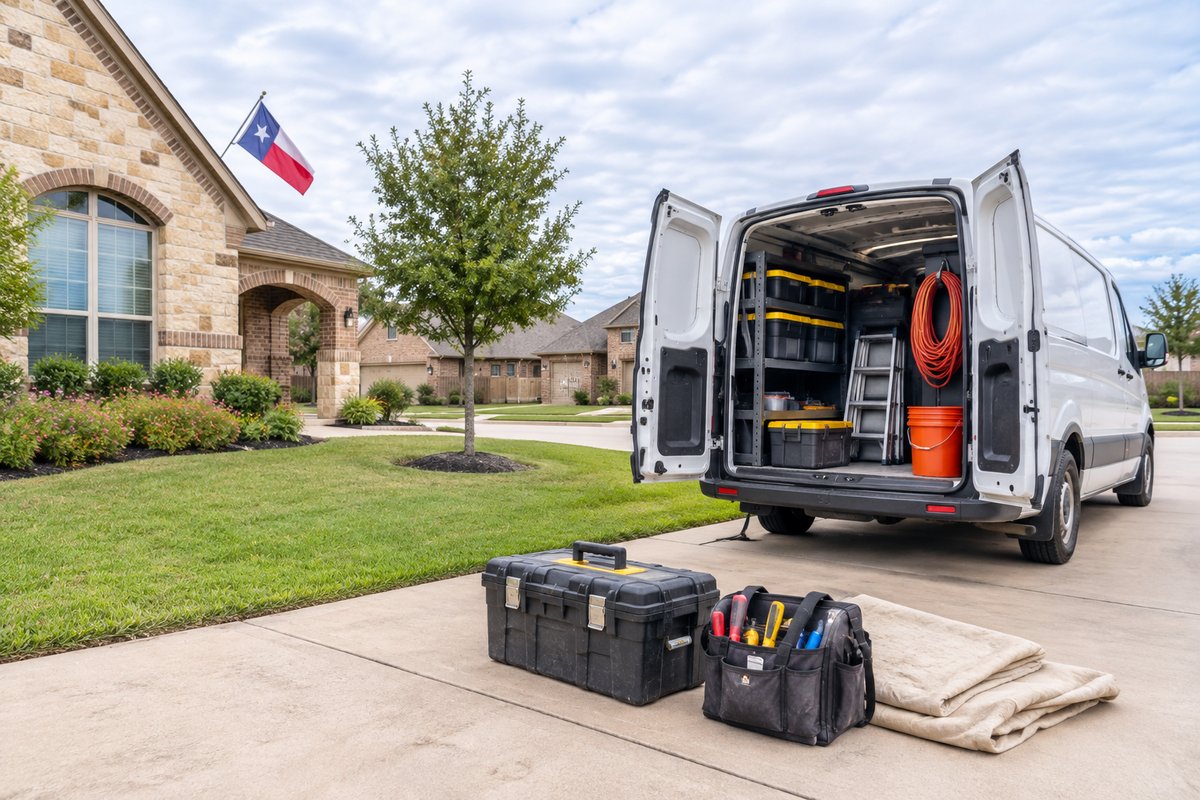
    A Local Search Guide for Texas Service Business Owners (illustrative concept)
    Illustrative AI image, not a photo of a client.

    How Texas Customers Search for Local Services

    Texans tend to start their search for local services online—usually by typing what they need and their town or neighborhood into Google. A homeowner in Dallas might search for ‘AC repair near me,’ while a rancher outside San Antonio might try ‘licensed electrician in Bexar County.’ Your visibility in these searches relies on Google understanding both what you offer and where you serve. That means having your business details, service descriptions, and service areas easy for Google and customers to find.

    Local service customers want quick answers. They check for licenses, service specialties, customer photos, hours, town coverage, and how to contact you. Being findable for every town you serve, not just your main location, is crucial if you want to grow your reach. Pages built specifically for each area you serve make you visible in those local searches. For every successful search, customers expect proof your business really serves their area and meets Texas requirements.

    It’s also common for customers to double-check with state agencies for licensing or business registration, especially for trades regulated by the Texas Department of Licensing and Regulation. Whether you’re in construction, cleaning, pest control, or dental care, being listed in these searches—and showing up in the right towns—can set you apart from competitors.

    What Is a Location Page?

    A location page is a dedicated web page about your service in a specific town or area, focused on meeting both searcher and Google requirements. For example, if you’re a plumber based in Austin but serve Round Rock, a location page for Round Rock highlights your offerings, experience, license information, and proof you work locally. This makes it easier for customers in that town to find and trust you.

    Your location page should include practical details: a list of offered services, local towns and neighborhoods you serve, current license status (linking to your credentials with the state if needed), and reviews or photos of past work. Google’s guidelines recommend original, town-specific content—not just a carbon copy of your main page with the city name swapped.

    For Texas service businesses, creating location pages doesn’t just help people find you—it shows them you know local conditions and regulations. Builders and contractors should link to their credentials with the Texas Department of Licensing and Regulation. Dental practices and salons should mention proper qualification or licensing from the state. For more about making these pages, see Location Pages.

    What Is a Service-Area Page?

    Service-area pages are broader than location pages; they cover all the cities, counties, or regions your business serves, often in one place. These pages are great for signaling to Google that you work across a wider area, not just one zip code or city. While each location page focuses on a single town, your service-area page lists them all, sometimes with short descriptions or links out to full location pages.

    For Texas businesses, this is useful for sprawling metro areas like Houston or the DFW metroplex, or when you cover several small towns. Home service providers, contractors, or specialty shops use these pages to show coverage across rural communities as well as big cities. Think of it as your master map for Google, letting the search engines—and potential customers—know where they can call on your business.

    If you’re not sure which page type is right, check how your customers describe where they live and work—do they search by zip code, neighborhood, or city name? Use those terms so your service-area and location pages match what your customers actually search. If you want professional help organizing your site structure, Local SEO services can design a setup that works for scattered Texas towns and growing franchises alike.

    How Blogs Support Location and Service-Area Pages

    Blogs are more than just extra reading material—they show Google and your customers that your business is active, knowledgeable, and involved locally. Each location or service-area page should be backed by weekly blog posts focused on common customer questions, seasonal tips, and local events or concerns. Blogs can highlight local projects, mention weather or seasonal needs (like winterizing pipes in Amarillo or prepping for hurricane season on the Gulf Coast), and answer questions that matter in Texas towns.

    Blogging keeps your website fresh and gives Google more signals that you serve specific markets. For example, topics might cover when to schedule HVAC maintenance before Texas summers, how the latest state regulations affect plumbing or pest control, or tips for choosing the right salon in your neighborhood. Tie blog content to real Texas events or conditions, not generic advice anyone could find.

    Good blog content supports your main service pages and boosts your local credibility. It’s practical to release one new post a week tied to each location, not just general updates. If writing, editing, and fact-checking these posts isn’t your thing, Blogs can take that off your plate with every article fact-checked before you approve it.

    What You Need to Prepare Before Getting Started

    Before you build new location pages or boost your local marketing for contractors, gather all the essentials to streamline the process. First, list every service you offer, from general repairs to specialty add-ons—be precise so customers know exactly what you do. Then, make a full list of every Texas town, city, or rural area you’re willing to travel to; double-check the official place names or zip codes to avoid confusion.

    Next, collect business photos of your team and your work. Even a mix of project shots, storefronts, vans, or permits can help customers feel comfortable calling. Check your license and registration status through the Texas Department of Licensing and Regulation (for trades) or your business entity registration with the Texas Secretary of State. You may also need documentation for sales tax collection from the Texas Comptroller.

    If you’re missing any paperwork or need advice on business strategy, reach out to the Texas Small Business Development Center Network for free business guidance. Save copies of your licenses, permits, insurance certificates, and any professional memberships or awards—they all give customers (and Google) confidence when hiring a local Texas provider.

    Working with PageEngines: What to Expect

    PageEngines builds fact-checked location pages, blogs, video and social posts so your business gets found by local customers in every Texas town you serve. Every piece is fact-checked and approved by you before it goes live. With offered plans, you can add up to five or ten new location pages a month, each with supporting weekly blog posts. Social posting and video options help make your business stand out in busy local markets.

    Each location page is custom-built to match your real service area, services, and qualifications, while carefully following Google’s local guidelines. The goal is to show customers and search engines exactly what you offer in every city and town you want to reach. Video content and social posts give your pages a personal touch, offering visual proof of your services in action; get more details about Video and Social Posts.

    Need more? PageEngines also offers custom and unlimited packages by quote to fit complex service areas. Pricing is not listed on this page; visit Pricing for current rates or request a custom quote. Sign up or manage your account and content at any time.

    Real Texas Resources for Businesses

    FAQ: Local SEO for Small Businesses in Texas

    What kind of content goes on a location page?

    Your location page needs specific details about the services you offer, proof you serve that town, current licenses or business registration (if required), and fresh photos or posts. Avoid copying your homepage; tailor each page for each Texas town and include practical info clients really care about.

    How are blogs different from service pages?

    Service pages describe what you offer, while blogs answer common local questions, share helpful how-tos or seasonal tips, and cover topics unique to Texas. Each new blog keeps your website current and helps searchers find your business in new ways.

    How do I check my licenses or tax status?

    To verify your trade license, use the Texas Department of Licensing and Regulation license lookup. Business registration questions go to the Texas Secretary of State. For tax certificates or State of Texas sales tax questions, see the Comptroller’s office.

    Want to reach more Texas customers with location pages, blogs and social posts tailored to your business? See plans and sign up.

    Related services

    PageEngines services in this guide

    PAGEENGINES · Texas guide